
A spiritual guru who was imprisoned for rape and murder has been released on parole for the 15th time.
- Global News
Favour Chikwesiri Michael
- 0
- 7 minutes read
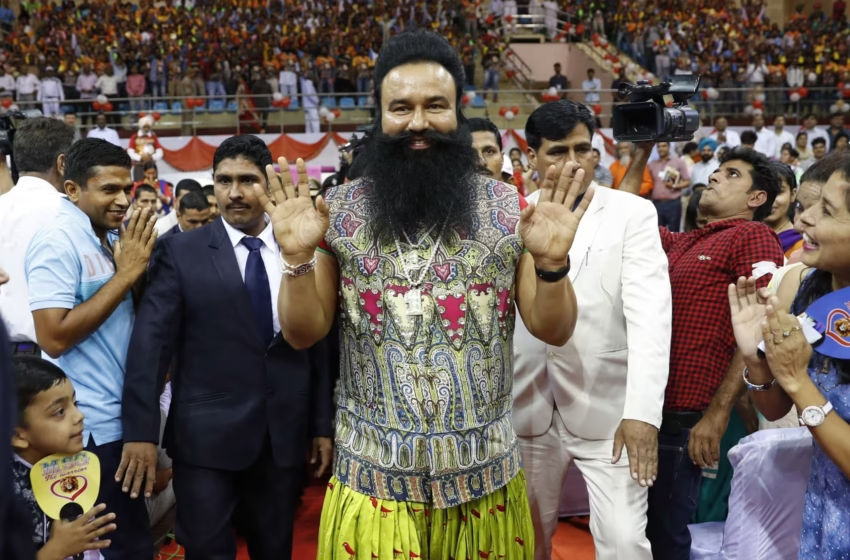
Indian spiritual guru Gurmeet Ram Rahim Singh greets followers as he arrives for a press conference for his movie “MSG: The Warrior Lion Heart,” in New Delhi in 2016. Tsering Topgyal/AP
With surprising frequency, the gates of a high-security Indian prison open to release a well-known guru serving a life sentence for murder, allowing him to preach virtue to the millions of devoted followers under his influence.
Gurmeet Ram Rahim Singh, a flamboyant preacher with a rock-star flair, was jailed in 2017 on rape charges and later convicted of murder in 2019. Despite this, he’s been granted parole 15 times, spending over 400 days outside prison so far.
Indian history is filled with charismatic – and often controversial – figures who commanded huge devotion. But Singh’s recurring freedom is seen by many as a grim testament to the enduring power of spiritual influence in the world’s most populous country – a place where, critics say, the scales of justice can be tipped by the vast political reach and capital of these so-called godmen.
Singh was released under a Haryana state law that rewards good behaviour, and since leaving prison in early January, the preacher has wasted no time sharing his message through a batch of new songs posted on his social media platforms.
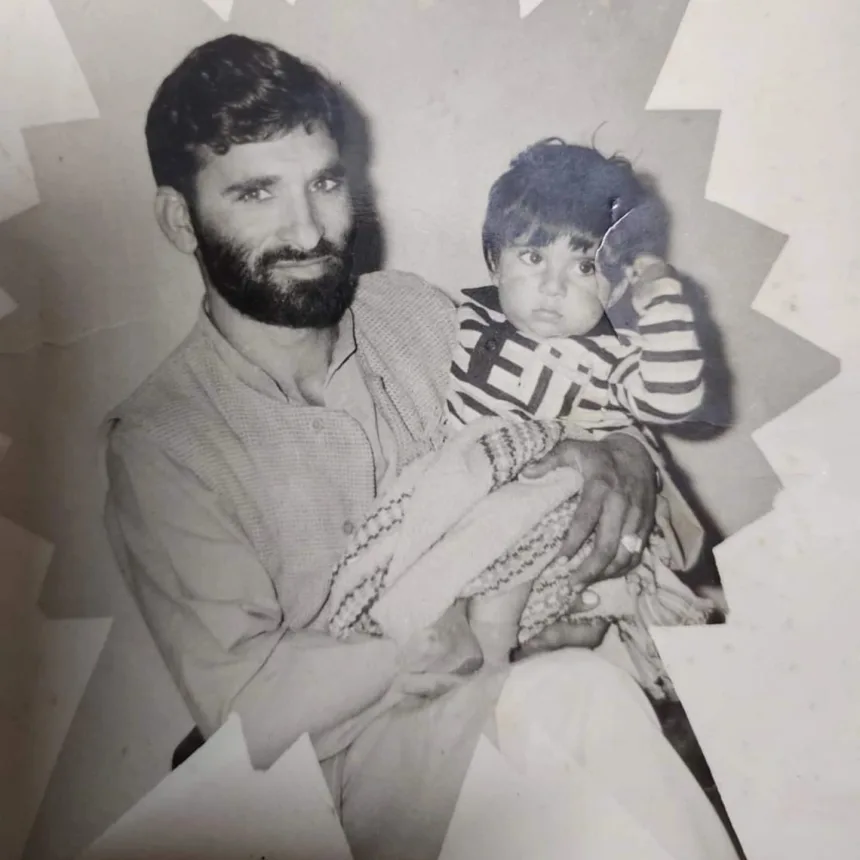
However, the guru’s release has angered relatives of his victims, including Anshul Chhatrapati, the son of journalist Ram Chander Chhatrapati, who Singh was convicted of killing in 2002 for exposing allegations of assault within his spiritual group, Dera Sacha Sauda (often known simply as the Dera).
“I have been fighting for my father since 2002 until today,” Anshul Chhatrapati told CNN.
In a statement to CNN, the Dera said Singh was entitled to parole like thousands of other prisoners in the state. The statement said it had not been granted as a “special favour or indulgence.”
Singh is not just a guru, but a full-blown media mogul. He’s the star of five self-produced films, including “Messenger of God,” where he portrays himself as a superhero saving the nation. His musical output is equally flamboyant, highlighted by the viral song “Love Charger,” considered to be a hit among his fans.
The Dera was founded in 1948 by the mystic Mastana Balochistani in the Haryana city of Sirsa, near the northern state’s borders with Punjab, India’s breadbasket, and the desert state of Rajasthan.
The brutal cleaving of British India by its colonizers in 1947 had torn the subcontinent apart, unleashing a torrent of violence as millions of Muslims fled to the newly formed Pakistan, while Hindus and Sikhs journeyed in the opposite direction. For the people of Punjab and the surrounding region, life became defined by loss and displacement.
In this landscape of chaos and disrepair, the Dera offered a powerful antidote: community and sanctuary. Its mission, according to its website, was to create a haven for people of “all caste, religion, and race.” Its modern incarnation was forged in 1990 under its third guru, Singh.
Long before his sermons, the bling, and the criminal convictions, Singh was the only son of a landlord in a quiet Rajasthan village, according to the group’s website. Born in 1967 to a devout Sikh family, he was involved in Dera Sacha Sauda from a young age. His father was a follower, and by the age of seven, the boy was initiated into the group by its then leader, Shah Satnam Singh, its website said.
According to the Dera, Singh’s ascent to power is a story of divine anointment. On September 23, 1990, its aging former leader publicly named the 23-year-old as his successor, a moment that was “beyond the imagination of a common man,” the group’s website said.
When the young Singh took the reins, it paved the way for the Dera’s transformation from a spiritual group into a controversial, multimillion-dollar empire – reportedly worth 14.5 billion rupees ($161 million) in 2017.
In August that year, Singh was sentenced to 20 years in prison – two consecutive 10-year terms – for raping two of his followers in a case dating back to 1999. As the verdict was announced, his followers unleashed a wave of fury across Punjab and Haryana. Mobs attacked television vans and set cars ablaze as overrun hospitals struggled to cope with scores of injured people.
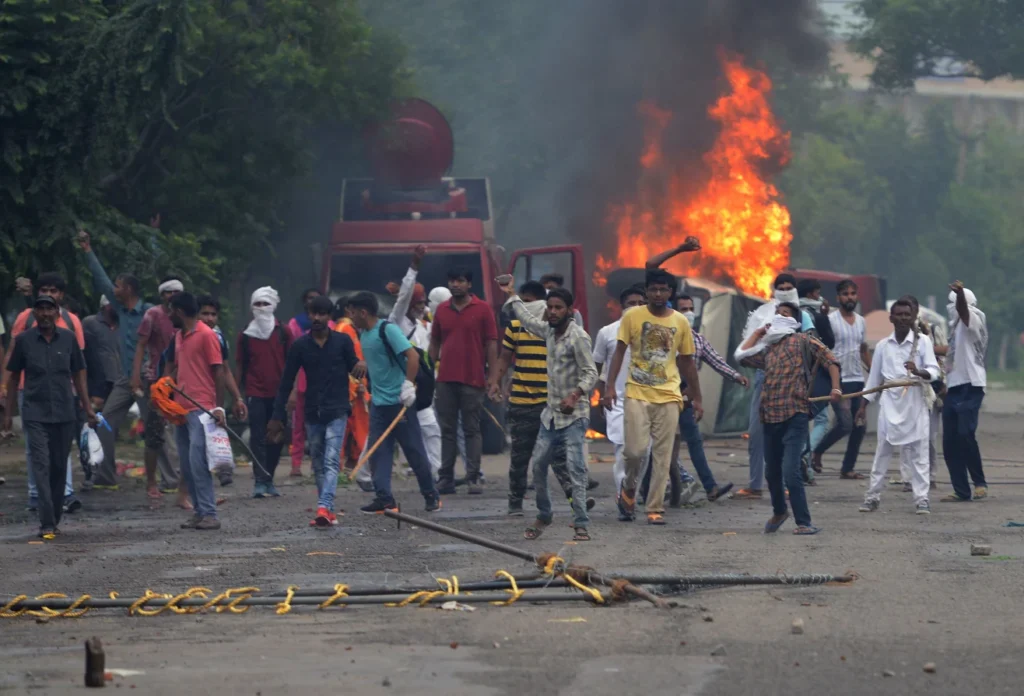
More than 30 people were killed in the clashes, prompting condemnation from Prime Minister Narendra Modi, who invoked the country’s peaceful heritage. India, he said, was the home of “Gandhi and Lord Buddha.”
Two years later, Singh was given a life sentence for orchestrating the 2002 murder of Chhatrapati, the journalist who helped expose the sexual abuse of women within his sect. Two of Singh’s aides were convicted alongside him.
