
Hospital officials report that Israeli airstrikes have killed at least 29 Palestinians in Gaza.
- Global News
Favour Chikwesiri Michael
- 0
- 4 minutes read

The site of a strike in Gaza City on Saturday. Pic: Reuters
The casualties included two women and six children from two different families, according to officials at the Gaza hospitals that received the bodies.
It’s one of the deadliest days in Gaza since the ceasefire was reached in October.
According to Shifa Hospital, a strike in Gaza City claimed the lives of a mother, her three children, and a relative. Nasser Hospital reported that another strike hit a tent camp in Khan Younis, sparking a fire that killed seven people, including a father, his three children, and three grandchildren.
Those strikes were reported early in the morning, before Shifa Hospital director Mohamed Abu Selmiya said another airstrike hit a police station in Gaza City, killing at least 11 more people and wounding others.
Gaza’s health ministry, which is run by the Hamas-led government, has recorded more than 500 Palestinian deaths by Israeli attacks since the start of the ceasefire on 10 October.
Israel’s military did not immediately comment on the strikes. Just a day earlier, Israeli officials accused Hamas of fresh ceasefire violations..
Both Israel and Hamas have blamed each other for breaching the ceasefire since it was agreed after two years of war.
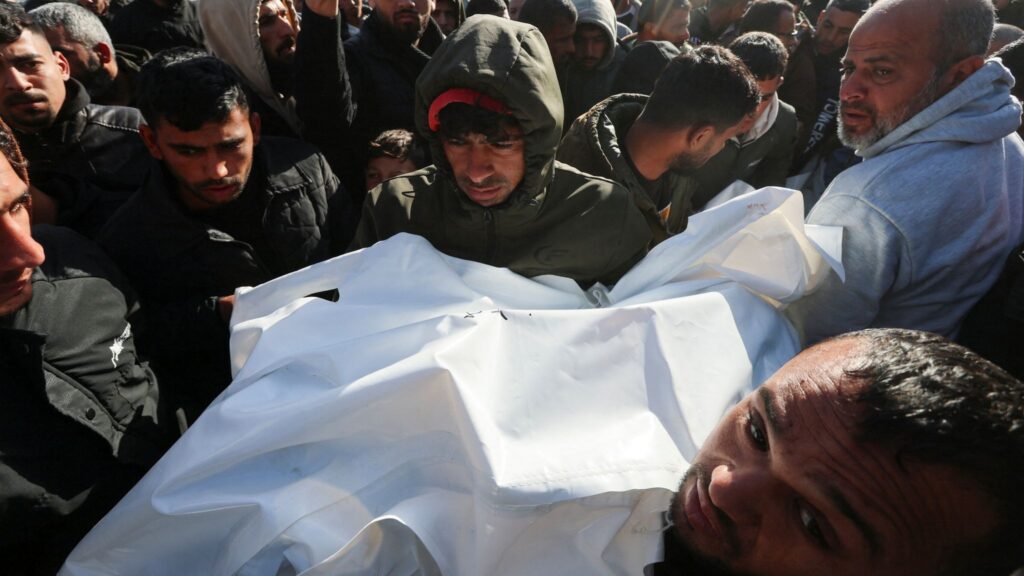
According to hospital officials, eleven Palestinians were killed in attacks across Gaza on January 21, including two 13-year-old boys and three journalists.
The latest strikes came a day before the Rafah crossing bordering Egypt, the main route in or out of Gaza for nearly all of the two million people who live there, was set to reopen.
All of Gaza’s borders have been shut since the war began, though Rafah was briefly opened early in 2025 for the evacuation of sick and wounded Palestinians for treatment, as part of the previous ceasefire deal.
Palestinians see the Rafah crossing as a lifeline for the Gazans in need of treatment, because most medical infrastructure within the territory has been destroyed. The World Health Organization estimates nearly 20,000 people could need treatment.
Israel has kept the Rafah crossing closed in both directions since the ceasefire in October, demanding Hamas must abide by the agreement to return all hostages still in Gaza, living and deceased.
