
Leave no pet behind, Israelis veterinary issues war safety guide
- Global News News
Favour Chikwesiri Michael
- 0
- 5 minutes read
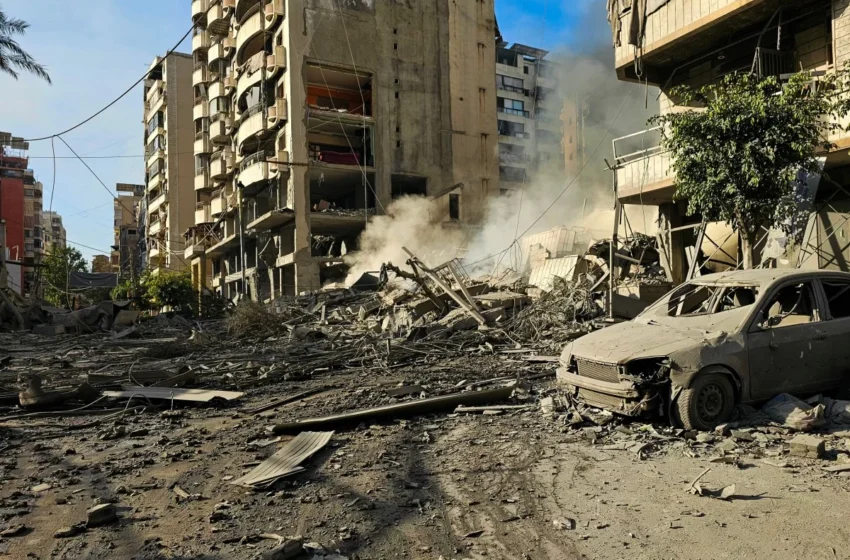
A site of overnight Israeli airstrikes is pictured in the southern suburbs of Beirut on March 6, 2026. Heavy attacks were reported in Tehran on March 6 after Israel said it was hitting “regime infrastructure” in a “new phase” of the war it launched with the United States against Iran. As the conflict entered its seventh day, its regional repercussions continued — with Qatar saying it intercepted a drone targeting a US base, and Lebanon reporting the death toll from Israeli strikes had risen to 123. (Photo by AFP)
Israelis have been rushing to bomb shelters for more than two weeks as sirens warn of Iranian missile strikes.
The veterinary service in the commercial hub Tel Aviv has a clear message: leave no pet behind.
“Alarms? Missiles firing? Don’t forget your four-legged friends!” read the service’s online guide on caring for animals during the war.
“During emergencies, our dogs and cats also experience fear and confusion,” it added.
Dogs on l
eads and cats in carriers have been seen by AFP journalists being taken for cover and waiting in the underground shelters across the city.
“As soon as the alarm goes off, she understands and comes straight down with me to the shelter,” Tel Aviv resident Leron told AFP, caressing her little dog Wendy, aged 10.
“In the shelter, people reassure her and stroke her. That’s what she needs. But she still keeps trembling even after the alerts.”
– Strokes and shelters –
Israel, like other countries around the region, has come under sustained Iranian missile and drone fire since it and the United States launched a massive attack against the Islamic Republic on February 28.
The Middle East has since been engulfed in a war that has killed hundreds of people and displaced millions more, with the highest confirmed death toll in Israel’s northern neighbour, Lebanon.
In Tel Aviv, no stranger to incoming missiles following multiple wars in recent years, public spaces such as underground train stations have been turned into shelters.
In one such station, a couple cradled a small dog. Its owner explained that whenever the alarm sounds, their pet is the first to run towards the door.
At the entrance to a school, where an underground room has been converted into a shelter, a dog pulled its owner along as they ran inside.
A brown terrier, on high alert with its ears pricked, remained seated on its owner’s lap. A Belgian shepherd, held loosely by a purple lead, wandered quietly through another shelter, nose to the ground, seeking attention here and there.
In an underground car park by the beach, a man held his dog close, saying that his pet was having panic attacks because of the sirens.
– ‘Reduce stress’ –
According to Israeli government figures, there were some 500,000 dogs owned as pets in the country in 2020.
Tel Aviv authorities are clear that “animals may not be prevented from entering the protected area”.
“Stay calm around them — they sense your tension,” the guidelines say.
When in shelters, dogs must be kept on leads and other animals such as cats, rodents or birds have to stay in carriers or cases.
Local media have also offered tips to pet owners.
“For our pets… this is a confusing and unfamiliar situation: changes in routine, sudden movement by household members and tension in the air,” wrote news website Ynet, in an article offering advice from animal experts.
“To keep the dog occupied and reduce stress, owners can bring a familiar toy or item into the shelter. If the dog still appears anxious, gentle petting or massage may help.”
AFP
