
Dangote: Africa Could Meet Most Fuel Needs By 2030
- Africa News
 Olalekan Rasak
- 0
- 4 minutes read
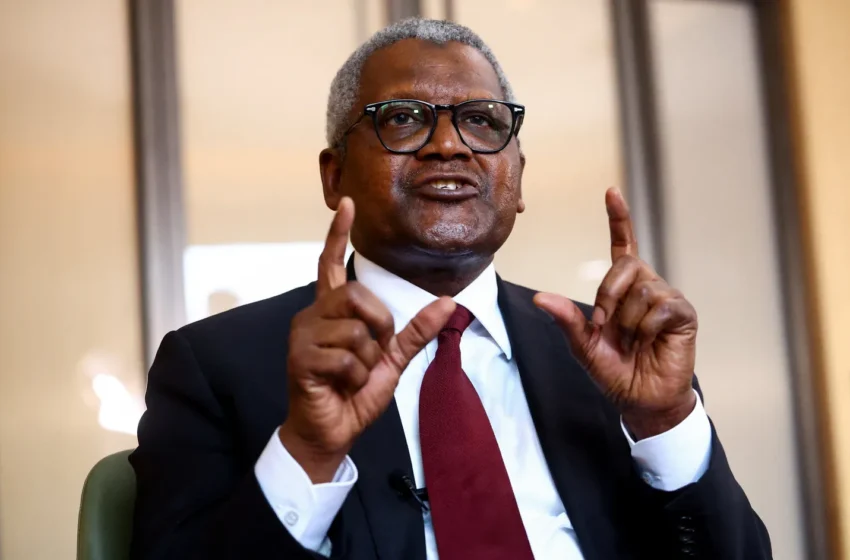
Nigerian oil tycoon Aliko Dangote said on Tuesday that most African countries could become self-sufficient in refined fuel by 2030 as he prepared to launch a $16 billion refinery project on Kenya’s coast.
Dangote is due to break ground on the East African oil refinery in Lamu on Wednesday. The facility is planned to have a refining capacity of 700,000 barrels per day and is expected to take about 30 months to build.
Speaking to reporters in Nairobi, Dangote said the project was part of efforts to reduce Africa’s reliance on exporting raw materials and importing finished products.
“By 2030, the majority of African countries will be self-sufficient. It does not matter where it is refined, but it should be in the African continent, on the soil of Africa,” he said when asked when Africa could stop importing fuel from outside the continent.
The Kenyan project faces a land rights court case and opposition from environmental groups, including Greenpeace, over its potential environmental impact. Dangote dismissed concerns surrounding the project, saying such legal challenges would not prevent development.
Questions have also been raised about where the refinery would source the crude oil needed for its operations, given that significant oil production in East Africa is still developing.
Dangote said the refinery would source crude from multiple locations, including the Middle East and the United States, and would also be prepared to use supplies from countries such as Kenya, Tanzania, and Mozambique as its oil production expands.
He said the planned 700,000-barrel-per-day capacity was significant for the region but represented only a starting point for further industrial development around the refinery.
“This refinery is not all we are going to do there. It’s just the start,” Dangote said, adding that more industries could emerge around the facility.
He said Africa’s major economic challenge was the continued export of raw materials and the import of finished products, arguing that this reduced opportunities for job creation and kept more of the value from Africa’s resources outside the continent.
“We are exporting jobs, because when we keep exporting raw materials, you are creating jobs out there,” he said.
SOURCE: AFP
