
Dutch court gives life for Rwanda genocide
- Africa News
 Otaria Benjamin
- 0
- 3 minutes read
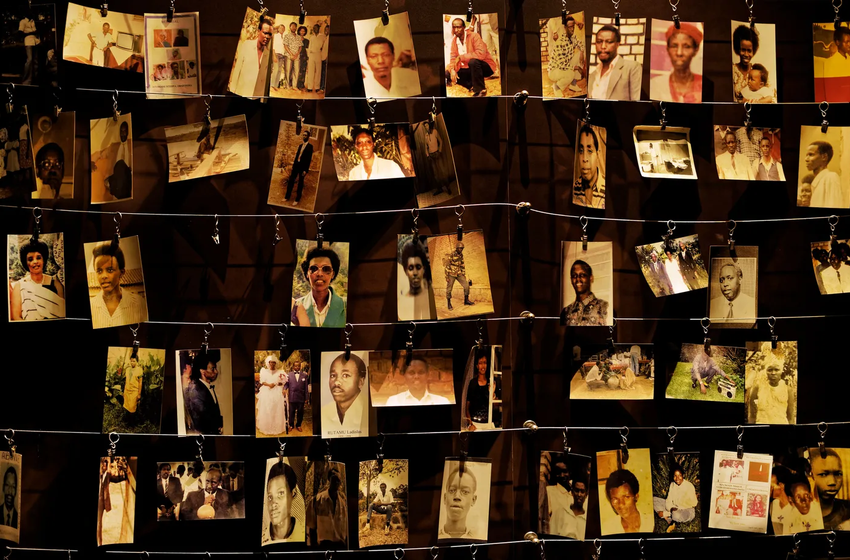
The 1994 Rwandan genocide claimed the lives of an estimated 800,000 people over the course of three months.
A Dutch court has sentenced a 66-year-old man to life imprisonment for his role in the 1994 Rwandan genocide, in which an estimated 3,000 Tutsis were slaughtered at a stadium in Mbazi, southern Rwanda. The suspect, identified as Eugene N. under Dutch privacy rules, was convicted of war crimes and genocide. The court found that he prevented Tutsis from escaping the stadium and personally threw a grenade into the crowd. He was also involved in earlier attacks in which houses were looted and set on fire.
The presiding judge said Eugene’s actions were committed with “genocidal intent” and that “only a lifelong prison sentence does justice to the immense suffering that has been inflicted on the victims and the bereaved families.”
At the time of the massacres, he held a position of responsibility in the community, overseeing about 1,000 people in Mbazi. The court said he was “a man who was held in high regard” and must have been aware of the influence he wielded as a local authority. “Instead of staying on the sidelines, the defendant committed multiple severe crimes,” the court added. He denied the charges, claiming he was himself a victim who had lost dozens of his own relatives. His lawyers urged an acquittal on all counts, arguing he did “everything to prevent the genocide.” They said they would almost certainly appeal the conviction.
Eugene fled to the Netherlands in 1998 and obtained Dutch nationality, which prevents his extradition to Rwanda. Dutch prosecutors opened an investigation in 2020 and arrested him in 2024. Prosecutors had urged a life sentence, saying Eugene was “personally involved” in the killings.
European courts have tried and convicted several dozen people involved in the Rwandan genocide under the principle of universal jurisdiction, which allows them to hear the most serious crimes even if committed abroad.
The 1994 genocide claimed an estimated 800,000 lives over three months, most of them Tutsis, according to UN figures.
SOURCE: AFP
