
Ebola Outbreak Linked To New Animal Transmission
- Africa News
 Olalekan Rasak
- 0
- 3 minutes read
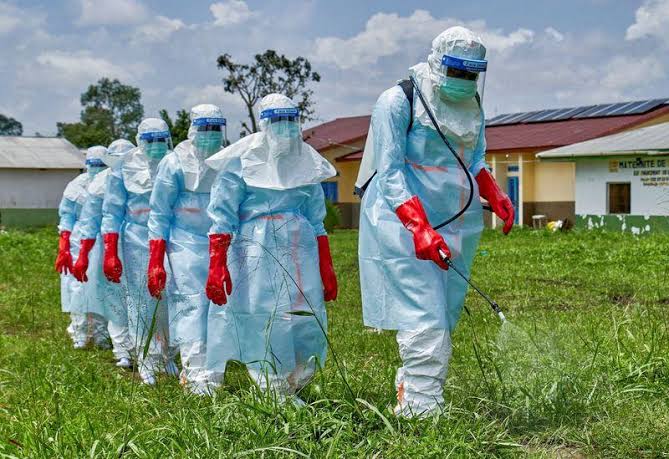
A new study has found that the ongoing Ebola outbreak in the Democratic Republic of Congo (DRC) and Uganda was likely triggered by a previously unseen transmission of the virus from animals to humans.
Researchers from Congo, Uganda, Belgium, and other countries analysed virus samples from 22 patients in the two countries. They found that the strain responsible for the outbreak was genetically different from Bundibugyo Ebola viruses recorded during earlier outbreaks in 2007 and 2012.
The findings, published last Monday in Nature Medicine, suggest the outbreak began with a new animal-to-human transmission event before spreading between people. The study did not identify the animal responsible for the initial transmission.
Genetic analysis also confirmed that Ebola cases detected in Uganda were linked to the outbreak in Congo, helping researchers establish how the virus spread across the two countries.
The researchers said wider access to testing and virus sequencing could help health authorities detect future outbreaks earlier and strengthen containment efforts.
The outbreak involves the Bundibugyo species of Ebola, for which there is currently no approved vaccine or treatment, although candidate vaccines and therapies are being developed.
The outbreak was declared on May 15 and has become one of the largest Ebola outbreaks on record. Latest government data puts confirmed cases at 4,381, with more than 2,000 deaths reported.
SOURCE: Reuters
