
Gabon suspends social media platforms amid growing unrest
- Africa Technology
 Otaria Benjamin
- 0
- 4 minutes read
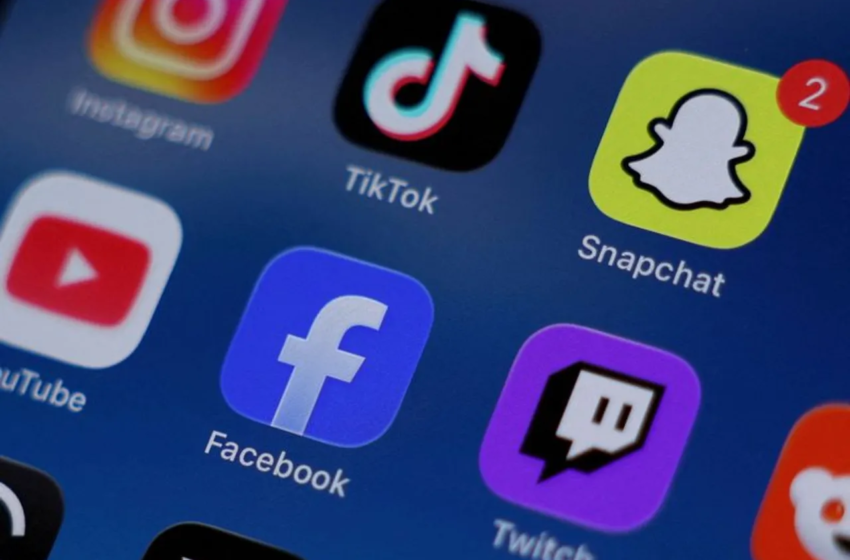
The government ordered the immediate suspension “until further notice.” / Reuters
Opposition politicians and businesses in Gabon have reacted with anger to a decision to suspend some social media platforms.
The High Authority for Communication on Tuesday announced it was blocking access to services including Instagram and YouTube, saying posts are fuelling conflict and division in the country.
“Metrics show multiple online platforms are now restricted in Gabon,” connectivity monitor NetBlocks said on X on Wednesday.
According to the watchdog, Facebook, TikTok and WhatsApp, the most widely used social networks in Gabon, were all affected, along with YouTube and Instagram.
In a televised statement on Tuesday, HAC spokesman Jean Claude Mendome complained of “inappropriate, defamatory, hateful, and insulting content” on social media.
He said it was undermining “human dignity, public morality, the honour of citizens, social cohesion, the stability of the Republic’s institutions, and national security”.
The regulator said “freedom of expression, including freedom of comment and criticism”, remained “a fundamental right enshrined in Gabon”.
Former prime minister and leading opposition figure Alain Claude Bilie By Nze described the decision as “incomprehensible” and in violation of the Constitution.
“These days, many businesses, SMEs, and young entrepreneurs survive thanks to social media. It’s not just some kind of gimmick for having fun anymore. It’s really a work tool,” he said.
Bilie By Nze said the HAC has “absolutely no authority to make such a decision. It is disproportionate. It is an abuse that we utterly condemn”.
A wide range of businesses, from restaurants to social media content creators, have also criticised the ban, saying it will negatively impact their operations.
Gabonese content creator Mister Wils, who has nearly 100,000 followers on TikTok, said the ban is bad news for his business.
“In Gabon, we already struggle with monetising social networks, so it’s contracts that allow us to exist. Now, clearly, we can no longer respond favourably to our partners,” he said.
The ban comes as President Brice Oligui Nguema faces his first wave of social unrest, with teachers on strike and other civil servants threatening to do the same.
He pledged reform when he won the elections in April last year, two years after his coup that ended five decades of rule by the Bongo family.
SOURCE: Reuters
