
Ghana Backs Strict Law to Protect Cocoa Farms
- Africa News
 Olalekan Rasak
- 0
- 3 minutes read
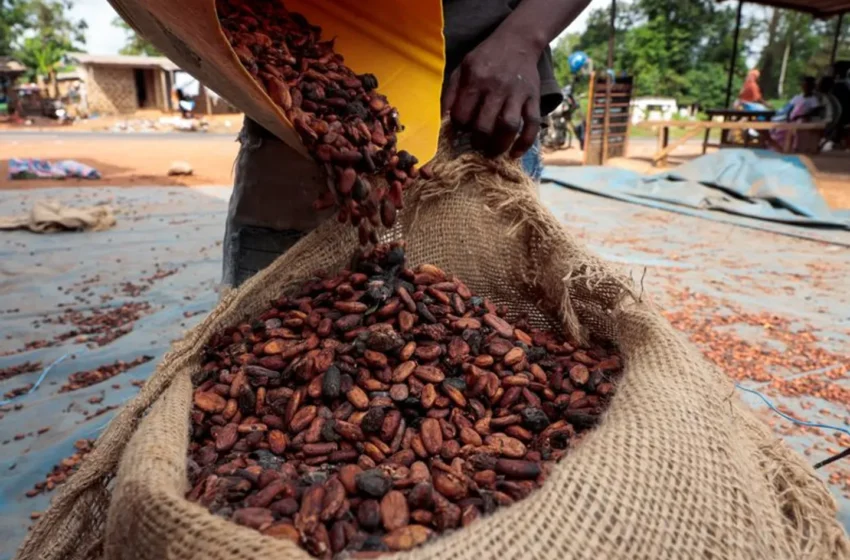
The parliament of Ghana has passed a bill introducing stricter penalties for the unauthorised conversion of cocoa farms, including prison terms of up to 20 years, as the government moves to protect one of the most valuable agricultural industries.
The legislation, approved on Thursday, designates cocoa farms as protected land and makes it a criminal offence to convert them to other uses without government approval. The bill will become law once it receives President John Mahama’s assent.
The proposed law also strengthens penalties for illegal mining activities that damage cocoa plantations. Individuals found guilty could face prison sentences ranging from 10 to 20 years, in addition to substantial fines for every cocoa tree destroyed during unlawful operations.
The legislation has, however, attracted criticism from some farmers, who argue it could restrict their ability to determine how their land is used, particularly during periods of low cocoa prices when alternative land uses may offer higher returns.
Cocoa remains one of Ghana’s most important export commodities and a major source of income for hundreds of thousands of farming households. The sector contributes nearly 15% of the country’s export earnings, with the government regulating producer prices at the start of each planting season to cushion farmers against fluctuations in global markets.
The bill comes amid growing concern over declining cocoa production, driven partly by illegal mining activities and the increasing conversion of cocoa farms for other commercial purposes, prompting authorities to strengthen legal protections for the industry.
SOURCE: AP
