
Iran threatens painful response if US renews attacks
- Global News News
Favour Chikwesiri Michael
- 0
- 3 minutes read
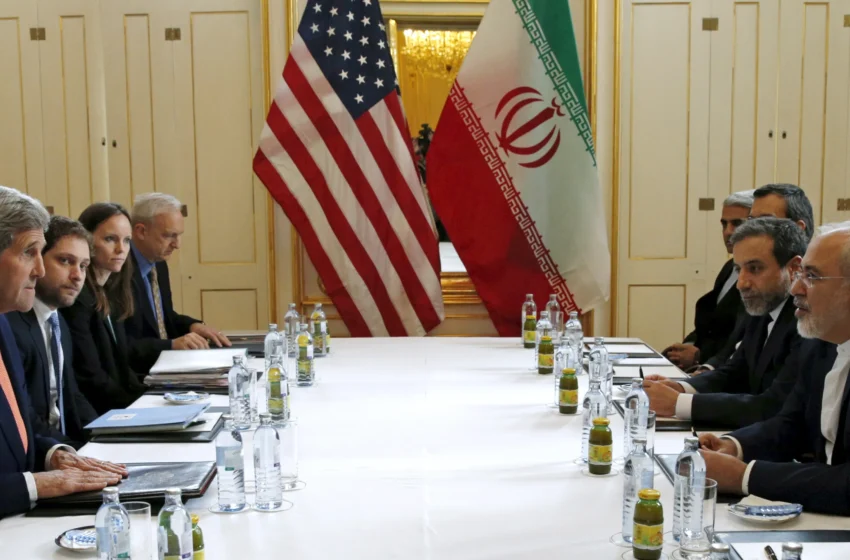
Iran said on Thursday it would respond with “long and painful strikes” on U.S. positions if Washington renewed attacks and restated its claim to the Strait of Hormuz, complicating U.S. plans for a coalition to reopen the waterway.
Two months into the U.S.-Israeli conflict with Iran, a key sea route is still shut down, cutting off 20% of the world’s oil and gas supply. This has driven global energy prices higher and sparked growing worries about a potential economic slowdown.
Attempts to resolve the conflict have stalled, with a ceasefire in effect since April 8, but Iran continues to block the strait in retaliation for a U.S. naval blockade of its vital oil exports.
According to a U.S. official speaking to Reuters, President Donald Trump was set to get a briefing on Thursday about plans for new military strikes aimed at pressuring Iran into negotiating an end to the conflict.
These kinds of options have long been part of U.S. planning, but news of the proposed briefing, first reported by Axios late Wednesday, initially sent oil prices soaring, with Brent crude topping $126 a barrel at one point before easing back to around $114.
Iranian Foreign Ministry spokesman Esmaeil Baghaei said on Thursday evening that it was not reasonable to expect quick results from U.S. talks, according to the official IRNA news agency.
“Expecting to reach a result in a short time, regardless of who the mediator is, in my opinion, is not very realistic,” he was quoted as saying.
Air defense activity was heard in some areas of Iran’s capital Tehran late on Thursday, Iran’s semi-official Mehr news agency reported, and the Tasnim news agency said air defences were engaging small drones and unmanned surveillance aerial vehicles.
On Thursday, the United Arab Emirates said it had banned its citizens from travelling to Iran, Lebanon and Iraq, and urged those currently in those countries to leave immediately and return home, citing regional developments.
