
Nigeria Defends Subsidy Reforms Amid Rising Debt Costs
- Africa News
 Olalekan Rasak
- 0
- 3 minutes read
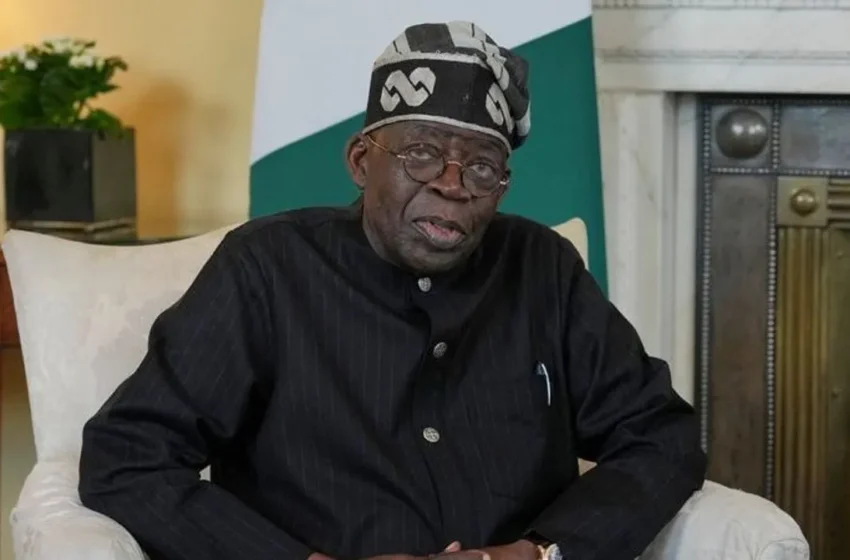
Nigeria’s government says much of the savings generated from removing fuel subsidies and reforming the foreign exchange market has been absorbed by rising debt-servicing costs and increased public spending, as it defended economic reforms that have faced growing public criticism.
Speaking at the African Emerging Markets Forum in Abuja on Thursday, Finance Minister Taiwo Oyedele said the reforms inherited by President Bola Tinubu’s administration had eliminated costly fuel subsidies that previously consumed about five percent of the country’s Gross Domestic Product.
However, Oyedele said the financial gains have largely been offset by a sharp increase in borrowing costs. According to him, interest rates on government debt have risen from about eight percent before the reforms to as high as 24 percent, significantly increasing the cost of servicing public debt.
The minister also cited higher government expenditure, including the implementation of the new national minimum wage of 70,000 naira per month, which has nearly doubled the public sector wage bill. He added that additional funding has been directed towards the government’s student loan programme, which now provides tuition support and monthly stipends to more than 1.5 million students.
Responding to concerns recently raised by the International Monetary Fund, Oyedele rejected suggestions that the reforms had failed. He argued that temporary economic hardship was an unavoidable part of the transition and said the government’s success would be measured by reductions in poverty, improvements in household incomes and lower inequality, rather than Gross Domestic Product growth alone.
SOURCE: Reuters
