
Nigeria senate approves live electronic publication of election results
- Africa Politics
 Otaria Benjamin
- 0
- 3 minutes read
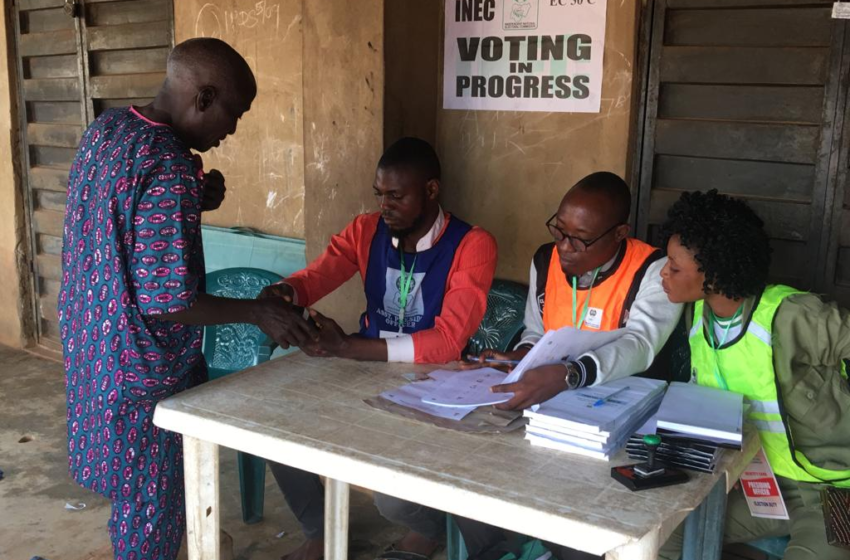
Electoral officers accredits a voter./other
Nigeria’s Senate has reversed its earlier decision to remove a provision requiring the electronic transmission of election results in real time, following widespread condemnation and protests.
The move sparked protests outside parliament on Monday, with activists and opposition leaders demanding the upper chamber align with the House of Representatives, which had approved the provision.
Nigeria’s elections have long been dogged by allegations of vote buying, violence and chaotic collation, with courts increasingly determining outcomes of contested races.
Despite the adoption of biometric voter verification and online result uploading tools in recent election cycles, Nigeria’s collation process remains largely manual and opaque, fuelling persistent allegations of manipulation.
Nigeria holds its next general election in February 2027, when President Bola Tinubu will seek a second and final term.
Reform advocates say real-time electronic transmission would strengthen transparency and reduce disputes.
Some senators had argued that insecurity in parts of the country and limited internet coverage made the requirement impractical.
Civil society organisations rejected that position, accusing lawmakers of heightening uncertainty by refusing to mandate uploads. The Nigerian Bar Association said the initial vote “creates room for disputes” and erodes public confidence in the electoral system.
Over the weekend, the Nigeria Labour Congress warned it could call nationwide strikes or urge an election boycott unless the clause was restored.
“Failure to add electronic transmission in real time will lead to mass action before, during and after the election, or total boycott of the election,” NLC President Joe Ajaero said on Sunday.
Lawmakers have now agreed to set up a joint committee of both chambers to harmonise the amended electoral act before sending it to Tinubu for assent.
SOURCE: MRA
