
South Africa to revoke over 2,000 visas in corruption crackdown
- Africa News
 Otaria Benjamin
- 0
- 4 minutes read
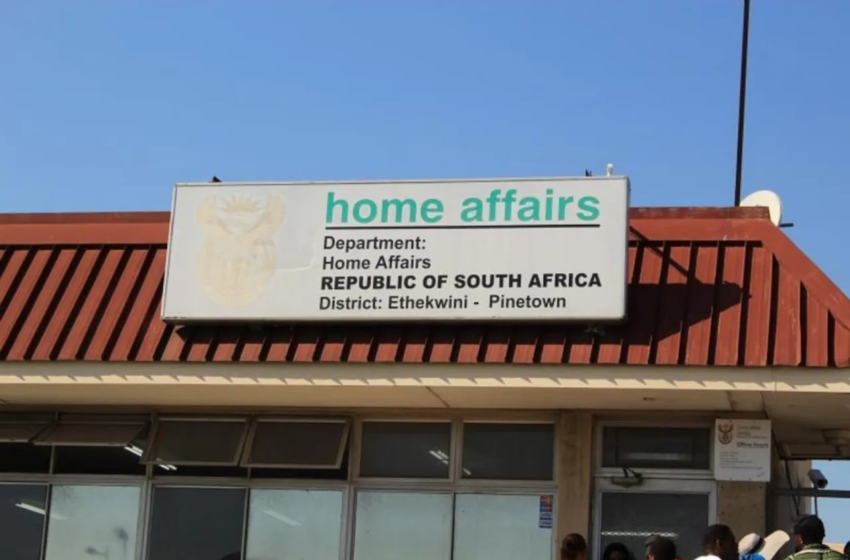
The probe revealed how weaknesses in the immigration system were exploited for personal enrichment. / Others
South Africa is preparing to revoke more than 2,000 visas flagged as potentially fraudulent, as the government intensifies a sweeping crackdown on corruption within the Department of Home Affairs.
Home Affairs Minister Leon Schreiber said authorities are reviewing administrative processes to cancel visas believed to have been issued through corrupt networks that manipulated the country’s immigration system.
“We’re looking at administrative processes to potentially revoke over 2,000 visas that may have come fraudulently out of this kind of work,” Schreiber said.
The move follows a wide ranging probe by the Special Investigating Unit, which uncovered recurring schemes involving document fraud, irregular visa and work permit approvals, and facilitation networks enabling unauthorised entry into South Africa.
Schreiber told a media briefing in Pretoria that disciplinary action has already been taken against dozens of officials implicated in serious maladministration.
“We also have 275 criminal referrals out of this work, 111 investigations that have been closed,” Schreiber said.
Since April last year, 20 Home Affairs officials have been dismissed and 16 suspended. In total, more than 55 officials have been dismissed since July 2024.
The government investigation, ordered by President Cyril Ramaphosa, examined corruption involving visa issuance from 2004 to 2024 and found that immigration had been “treated as a marketplace.”
The dismissed officials were not named, but the Special Investigating Unit said four of them received a total of over 16 million rand in direct deposits. One built a mansion, while others purchased multiple properties in cash.
“These findings show that corruption in the visa system is not incidental; it is organised, deliberate, and devastating to public trust,” the unit said.
It said applications were routinely sent via WhatsApp for expedited approval, after which payments were made to the spouses of the officials. In other cases, cash was hidden in application forms.
Schreiber said his department is working to stop fraud primarily through digitising its systems. It is in the process of migrating to an electronic travel authorisation platform.
“It is only through the systemic reform anchored in digital transformation and the use of modern technology that we can definitively close the space for corruption,” Schreiber said.
SOURCE: TRT Afrika
