US To End Funding For Zimbabwe Health Programmes
- Africa Global News
 Olalekan Rasak
- 0
- 4 minutes read
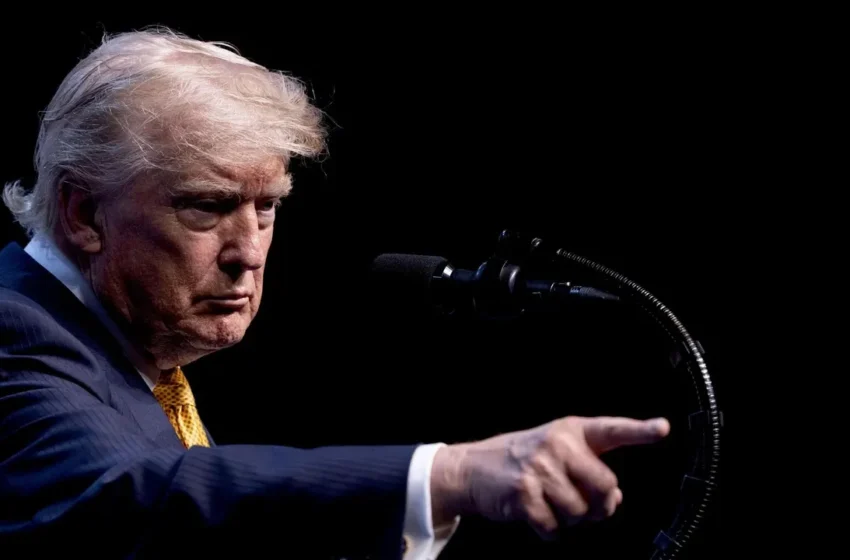
The United States will end funding for Zimbabwe’s health programmes at the end of September after negotiations over a proposed bilateral health agreement collapsed, the US Embassy in Harare said on Friday.
The embassy said Zimbabwe had declined a memorandum of understanding proposed by Washington, which included requirements the government said it could not accept over concerns about sensitive health data, sovereignty and the structure of the agreement.
US Ambassador Pamela Tremont said the end of US-supported health programmes followed “Zimbabwe’s decision to decline a bilateral health MOU”. She said Washington would now shift its relationship with Zimbabwe from one largely focused on health and humanitarian assistance towards broader economic, trade and investment opportunities.
The decision is expected to affect programmes addressing HIV and other diseases. The United States has supported Zimbabwe for decades in its response to HIV, tuberculosis and malaria.
Zimbabwean government spokesperson Nick Mangwana said in February that the proposed agreement included provisions requiring comprehensive access to sensitive health data, including virus samples and epidemiological information. He also cited concerns over fairness, sovereignty and Washington’s move away from global health institutions.
Zimbabwean officials have said the country will increasingly rely on domestic resources as international assistance declines.
The dispute comes as the Trump administration pursues country-by-country health agreements that Washington says are intended to reduce dependence on foreign aid and increase domestic financing of health programmes.
The Africa Centres for Disease Control and Prevention has described Africa as facing an “unprecedented financing crisis”, noting that official development assistance to the continent has declined significantly in recent years.
According to KFF, a US health-policy research organisation tracking the agreements, 35 countries have so far signed bilateral health deals with Washington, most of them in Africa.
Ghana, Zambia and South Africa are among the African countries that have publicly resisted or failed to conclude new US bilateral health agreements, while Kenya’s agreement has faced a legal challenge.
Namibia also rejected a proposed bilateral agreement over concerns about provisions relating to health data and biological specimens. Washington later said it would provide Namibia with $45 million for its HIV response in fiscal 2027 before shifting towards technical cooperation.
African governments have increasingly called for greater “health sovereignty” as they seek to finance and manage their health systems with less reliance on foreign assistance.
SOURCE: TRT Afrika and Agencies
